Adelaide & South Australia

Excavation Advice Services in Adelaide


Plan for Rock, Ground Conditions & Excavation Risks Before Work Begins

Excavation through rock can be impacted by variable weathering profiles, unexpected transitions from soil to hard rock, and confined suburban sites create conditions where the wrong equipment, method, or preparation can turn a routine dig into a costly and disruptive problem. Our excavation advice services help contractors and developers understand what they will encounter before they break ground, and how to approach it safely, efficiently, and without unnecessary impact on surrounding structures.

  • 50+ Years Combined Experience
  • ISO Certified Management Systems
  • Engineers Australia Members
  • Australian Geomechanics Society Affiliates
  • Testing Undertaken by NATA-Accredited Laboratories Where Required

What Is Excavation Advice?

Know What the Ground Demands Before Choosing How to Excavate

Excavation advice is the geotechnical assessment of the ground conditions a proposed excavation will encounter and the provision of practical recommendations on how to approach it, covering rock strength, fracture patterns, excavation method, equipment selection, and the risks that need to be managed to protect workers, structures, and the programme.

Adelaide’s geology makes this assessment particularly valuable. Across the eastern suburbs and Hills Face Zone, shallow weathered metasediments and quartzite sit beneath thin soil cover, often at variable depths that shift significantly within a single site. In the CBD fringe and inner metropolitan area, constrained sites leave little margin for vibration, noise, or unexpected delays caused by rock that was not anticipated in the original programme.

At BHM Geotechnical, our excavation engineering consulting services include:

Rock strength and fracture assessment from investigation data and field observation
Excavatability assessment to determine whether rock can be ripped, broken, or requires controlled blasting
Equipment and method recommendations suited to the rock type and site constraints
Vibration and noise impact assessment for excavations adjacent to existing structures
Risk identification and management planning for complex or constrained excavation works
Staged excavation sequencing advice for multi-level or deep basement projects
On-call support during excavation when unexpected ground conditions are encountered
Reporting to support contractor briefings, approval conditions, and construction documentation

These services support residential, commercial, civil, and infrastructure projects across South Australia.

Excavation Advice Services

Match the Excavation Method, Equipment & Controls to the Ground

The approach to rock excavation depends on what the ground contains, how strong it is, and what constraints the site imposes. Getting this assessment right before excavation begins avoids costly equipment changes, programme delays, and damage to neighbouring structures.

01

Rock Assessments

A rock assessment establishes the properties that govern how the material will behave during excavation.

Our rock assessments typically include

  • Review of geotechnical investigation data including borehole logs and laboratory test results
  • Assessment of rock strength, weathering grade, and discontinuity characteristics
  • Identification of fracture patterns, joint orientations, and bedding that influence excavatability
  • Classification of rock mass conditions using recognised geomechanical frameworks
  • Identification of mixed face conditions where soil and rock are encountered together
  • Reporting of rock properties to inform method selection and equipment specification

Rock assessments in Adelaide commonly reveal significant variability, particularly across the Hills Face Zone and eastern suburbs where weathered Adelaidean quartzite and carbonate rock transition to more intact material at relatively shallow depths.

02

Equipment Recommendations

The right excavation method for one set of conditions can be the wrong one for another only metres away.

Our equipment recommendations typically include

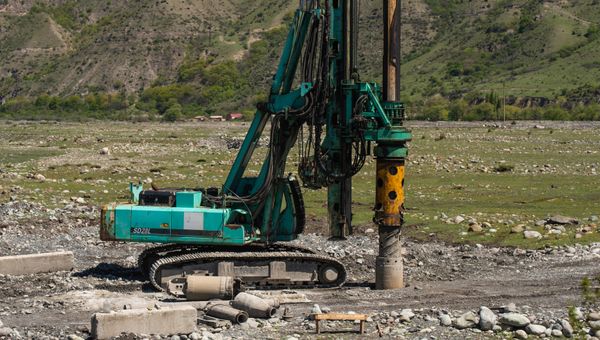
  • Assessment of excavatability to determine the appropriate method, ripping, hydraulic breaking, or controlled blasting
  • Recommendation of excavator or plant specification suited to the rock strength and site geometry
  • Guidance on drill and blast parameters where mechanical breaking is insufficient
  • Advice on excavation sequencing to manage transitions between soil and rock
  • Consideration of site access, working space, and proximity to structures in method selection
  • Documentation of recommendations suitable for contractor briefing and programme planning

Equipment recommendations are particularly critical on Adelaide sites where reactive clay gives way to hard quartzite or carbonate rock within the same excavation zone, requiring the contractor to be prepared for both.

03

Risk Management

Excavation in rock generates vibration, noise, and ground movement that can affect neighbouring properties and structures if not anticipated and controlled.

Our risk management advice typically includes

  • Excavation risk assessment for vibration and noise impacts on adjacent structures
  • Pre-construction condition surveys of neighbouring properties and structures where required
  • Vibration threshold recommendations based on the sensitivity of adjacent structures
  • Advice on monitoring requirements during high-risk excavation phases
  • Identification of groundwater risks associated with excavation into fractured rock
  • Risk management documentation to support approval conditions and contractor obligations

Risk management is especially relevant on Adelaide’s inner suburban and CBD fringe sites where excavation for basements and retaining structures occurs within metres of existing buildings and services.

04

When Is Excavation Advice Required?

Common Triggers for Excavation Advice Services in Adelaide

  • Excavation on sites where rock has been identified in geotechnical investigations or is expected from local geology
  • Basement construction in the eastern suburbs or Hills Face Zone where shallow rock and variable weathering profiles are common
  • Deep excavation for retaining structures, infrastructure trenches, or multi-level developments
  • Sites adjacent to existing buildings, services, or sensitive structures where vibration and ground movement must be controlled
  • Projects where the original excavation method has encountered unexpected rock and a revised approach is needed
  • Civil infrastructure works including road cuttings, service trenches, and bridge abutments in rock
  • Contractor or certifier requirements for documented geotechnical advice before excavation proceeds
  • Sites where previous investigations identified mixed face conditions or transitions from rippable to non-rippable material

Identifying the need for excavation advice before work begins is significantly more cost-effective than revising the programme and equipment after unexpected conditions have already caused delays.

Get Your Site Assessed

Speak With Adelaide’s Excavation Advice Specialists

We provide rock assessments, equipment recommendations, and excavation risk assessment services for projects throughout Adelaide and South Australia.

    Why Choose BHM Geotechnical?

    Experienced Excavation Engineering Consultants in Adelaide

    50+ Years Combined Experience

    BHM Geotechnical combines geotechnical engineering expertise with direct field experience of the rock conditions encountered across Adelaide’s metropolitan area, Hills Face Zone, and regional South Australia.

    Our advice is grounded in what the ground actually contains — not in generic excavation frameworks applied without reference to the specific conditions on your site.

    Geotechnical Engineering Expertise

    Excavation advice provided by qualified geotechnical engineers with hands-on experience of Adelaide’s varied rock and soil conditions.

    Adelaide Rock Knowledge

    Practical understanding of Adelaidean quartzite, carbonate metasediments, and weathered rock transitions specific to South Australian construction projects.

    Contractor-Focused Recommendations

    Advice structured for the people doing the work — clear on method, equipment, and risk without unnecessary technical complexity.

    Risk-Aware Approach

    Every recommendation considers the constraints of the site, proximity to structures, access limitations, vibration sensitivity, and programme pressures.

    Responsive Support

    Available during excavation when unexpected conditions require fast, informed decisions on how to proceed.

    Excavation Advice for Construction, Development & Infrastructure

    Practical Advice for Projects Where Ground Conditions Can Change the Plan

    The consequences of encountering unexpected rock or managing vibration poorly are felt immediately on site.

    Our excavation advice services support:

    01

    Basement & Substructure Excavation

    Assess the rock conditions beneath proposed basement levels and recommend the excavation method, equipment, and sequencing before work begins.

    02

    Retaining Wall Construction

    Advise on excavation approach where retained cuts encounter variable or hard rock, including batter angles, support requirements, and vibration management.

    03

    Civil Infrastructure & Road Works

    Support road cuttings, service trenching, and infrastructure excavation in rock with assessments of excavatability and method suitability.

    04

    Residential Development in the Hills

    Provide practical excavation guidance for residential projects in Adelaide’s Hills Face Zone where shallow rock and reactive clay create combined challenges for the same contractor.

    05

    Emergency Excavation Reviews

    Provide rapid excavation engineering consulting when unexpected rock conditions have halted progress and a revised approach is needed to get the programme moving again.

    06

    Development & Regulatory Submissions

    Document excavation method and risk management recommendations to satisfy approval conditions or contractor obligations on geotechnically complex projects.

    What Are the Common Signs That Excavation Advice May Be Needed?

    Not every site comes with a warning that rock will be encountered during excavation. Shallow soil over rock is not always visible at the surface, and weathered profiles can give way to significantly harder material within the same excavation.

    A site in the eastern suburbs or Hills Face Zone, a previously undeveloped block on elevated terrain, or a deep basement in the inner metropolitan area are all situations where rock conditions during excavation are likely enough to warrant advice before the first machine arrives.

    Engaging geotechnical support before excavation begins, rather than after a hydraulic excavator has spent two days on material it cannot shift, is where the investment in excavation advice services returns the most value.

    The Excavation Advice Process

    How We Assess Rock Conditions and Develop Excavation Recommendations

    01

    Site Review & Data Collection

    Review available investigation data, site history, and local geological information to establish what ground conditions are likely to be encountered.

    02

    Rock Assessment

    Assess rock strength, weathering grade, fracture patterns, and excavatability from investigation data and, where required, targeted field observation.

    03

    Method & Equipment Recommendation

    Identify the appropriate excavation method, ripping, hydraulic breaking, or controlled blasting, and specify equipment suited to the conditions and site constraints.

    04

    Risk Assessment & Management Planning

    Assess vibration, noise, and ground movement risks for the proposed excavation method and develop recommendations to manage impacts on adjacent structures and services.

    05

    Reporting & Contractor Briefing Support

    Prepare a report documenting the assessment findings, recommendations, and risk management measures, structured for contractor briefing and approval requirements.

    Why Excavation Advice Is Important

    Better Ground Information Means Fewer Costly Decisions Mid-Excavation

    Avoid Costly Programme Delays

    Unexpected rock conditions that halt excavation mid-programme are far more expensive than a geotechnical assessment carried out before work begins.

    Select the Right Equipment From the Start

    Matching plant and method to the actual ground conditions avoids bringing the wrong machinery to site and the time lost changing approach mid-excavation.

    Protect Neighbouring Structures

    Understanding vibration and ground movement risks in advance allows appropriate controls to be in place before excavation creates damage that is difficult to dispute or remedy.

    Manage Contractor Obligations

    Documented geotechnical advice gives contractors and project managers a defensible basis for the excavation method and risk controls adopted on site.

    Respond Effectively to Unexpected Conditions

    When ground conditions differ from expectations during excavation, having a geotechnical team already familiar with the site allows fast, informed decisions rather than reactive guesswork.

    Support Approval and Certification Requirements

    Regulators and certifiers increasingly require documented excavation risk assessment and method justification on projects involving deep or constrained excavation in rock.

    A Trusted Name in Rock Mechanics Services

    BHM Geotechnical supports developers, contractors, and engineers with practical excavation advice, clear recommendations, and responsive field support throughout Adelaide and South Australia.

    We are writing to you to confirm that the matter has now settled. We thank you for your assistance in this matter. Your expertise was instrumental in settling the matter. We confirm that you will not be required to attend Court as earlier anticipated.

    K
    Thanks to your report, the other side made a significant further concession of around 30% from their last offer which the other side was not earlier willing to do.

    I
    Efficient, concise geotechnical engineering advice.

    P

    Don’t Let Unexpected Ground Conditions Change The Plan

    Our excavation advice services provide the rock assessment, method recommendations, and risk management planning needed to approach hard ground confidently.

    Get a Custom Solution
    FAQs

    Frequently Asked Questions

    What is excavation advice in geotechnical engineering?

    Geotechnical excavation advice assesses soil and rock conditions to recommend suitable excavation methods, equipment, sequencing, and risk controls. It helps contractors and developers manage hard or variable ground, reduce unexpected delays, and protect nearby structures during excavation works.

    When should I get excavation advice?

    Excavation advice is best obtained before work begins where rock, mixed ground, deep excavation, or nearby structures may create challenges. It is also valuable when unexpected ground conditions require revised excavation methods, equipment, sequencing, or risk controls.

    What is an excavation risk assessment?

    An excavation risk assessment identifies potential hazards associated with excavation works, including vibration, ground movement, groundwater, noise, and impacts on adjacent structures. It provides practical risk controls and monitoring recommendations to support safer excavation planning and construction.

    What excavation methods are used in rock in Adelaide?

    Rock excavation in Adelaide may involve ripping, hydraulic rock breaking, or controlled blasting, depending on rock strength, weathering, fractures, site access, and nearby structures. Geotechnical excavation advice helps determine a suitable method for the site conditions and constraints.

    Does BHM provide on-site support during excavation?

    Yes. BHM Geotechnical provides excavation engineering support when unexpected soil or rock conditions arise during construction. Our engineers can assess site conditions, review excavation risks, and recommend practical changes to methods or sequencing so excavation can progress appropriately.

    footer light shape